Every year I tell myself I’m only going to read for pleasure.
Every year I immediately lie to myself and start “casually” analysing best sellers like a literary detective with a corkboard and far too much string.
2025 was no exception.
As the year winds down and holiday lights begin to twinkle, many readers turn to novels that mirror the mood of the season — whether it’s the cozy warmth of a small town under snow or the chilling tension of an unexpected crime at a festive gathering. Holiday settings offer a unique backdrop for mysteries and thrillers, blending familiar traditions with suspense, character drama, and sometimes a touch of danger.
Listen up, sleuths and seasoned page-turners! The holidays are upon us, which means it’s time to swap awkward sweaters, questionable fruitcake, and — most importantly — books. But not just any books. I’m talking about mystery books — the kind that make you say:
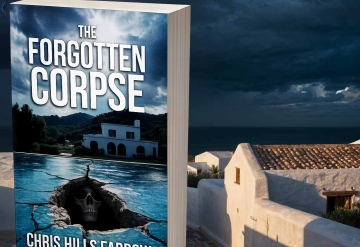
Writing is many things: creativity, craft, escape — and, increasingly, brand identity. Over the years I’ve discovered that using different author names for different kinds of stories is more than a convenience. It’s a deliberate strategy that helps me stay true to each genre’s spirit and meet reader expectations without confusion. That’s why I write cosy mysteries, mysteries, and thrillers under Chris Hills Farrow (my real name), and fantasy and science-fiction under Orlan Drake. Here’s why that choice makes sense — and why I believe it strengthens both “brands.”
Ever tried planting a fake clue in your story, only for your beta readers to hurl their Kindles across the room yelling "Cheat!"? We've all been there. Red herrings are the spicy salsa of cosy mysteries, adding zing without overwhelming the dish. But get them wrong, and your readers feel tricked instead of thrilled. The secret? Craft them like a magician's sleight of hand: divert attention smoothly, never shove the rabbit up their sleeve.