Writers desk with a laptop with a graph on it

Three Months Post-Launch: The Forgotten Corpse Lessons Learned

For every book before this one, my process was the same. I finished the edits, formatted the file, and hit publish within a week of getting the green light from my editors. It felt efficient. Looking back, I think it was mostly nerves wearing an efficient costume: I wanted the book out into the world before I had time to talk myself into changing something else about it.

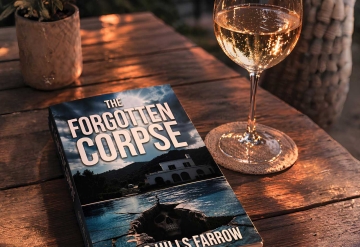
The Forgotten Corpse by Chris Hills Farrow

Crafting Satisfying Endings in Mystery Fiction

A friend of mine once told me she reads the last page of a mystery before she buys it, just to check that the ending won't annoy her. I was horrified when she said this. I am still a little horrified. And yet I understood her completely, because we have all closed a book and felt cheated by its final twenty pages, even when the first three hundred were wonderful.
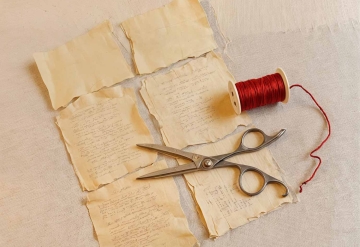

Torn manuscript with scissors and thread

Lessons from the Editing Process

I once cut eleven pages from the middle of a manuscript in a single afternoon and felt physically lighter afterwards, the way you do after finally taking a splinter out. Those eleven pages contained a scene I had been quietly proud of for months, a long conversation between two characters that revealed a great deal about their history and almost nothing about why anyone should keep reading. I knew this before my editor told me. I had simply chosen not to know it, in the way a person chooses not to check a bank balance they suspect is bad news.

Cliftonville Bandstand

How I Research Locations for My Mystery Novels

It can be embarrassing when a reader emails you to say the drive you described takes forty minutes longer in real life than it does in your book. I have not had that email yet, and I would like to keep it that way, which is roughly the whole reason this post exists.

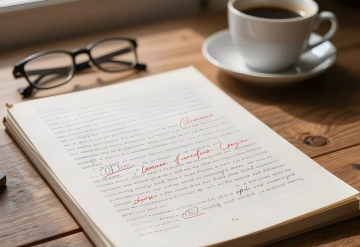
Edited Manuscript

The Importance of Beta Readers and Editors

My husband read the first draft of Checked Out at the Imperial twice before he said anything true about it. The first read was encouragement, the kind you give someone who has just handed you four months of their life and is standing there watching your face. The second read was the one that mattered, and it took him three days to work up to telling me that the murderer's motive didn't survive contact with chapter nine.

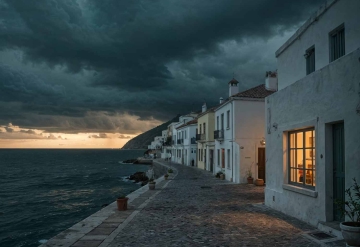
Seafront town with an impending storm

Creating Atmosphere: Using Weather and Seasons in Mystery Writing

There's a type of writer's guilt that comes from opening a chapter with the weather. Somewhere along the way, "it was a dark and stormy night" became the punchline of an entire genre, and a lot of us absorbed the lesson a little too well. We stopped trusting weather to do anything except sit there being weather, and started apologising for it before we'd even used it.

Never Miss A Mystery

Join The Newsletter

Never Miss A Mystery

Also receive exclusive content and sneak peeks at upcoming novels

* indicates required

Intuit Mailchimp